This issue's rankings
17 guides · Updated 09.2026 · Newest first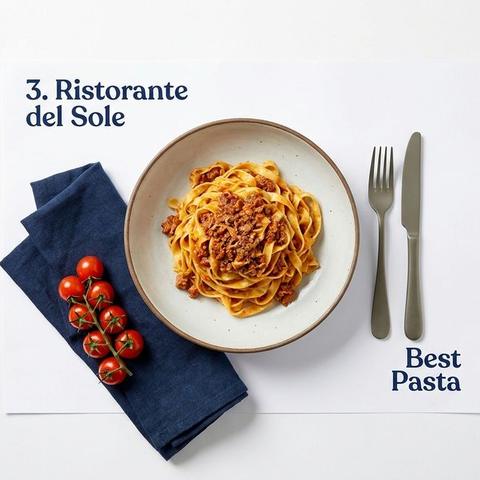 Sep 21
Tagliatelle Bolognese NYC: Five Kitchens Worth Ordering It
Five Manhattan kitchens currently list tagliatelle bolognese on their own menus, from a $29 SoHo plate to a $33 uptown ragù, each verified before ranking.
Rank score17Tony Marchetti · 4 min readOpen guide →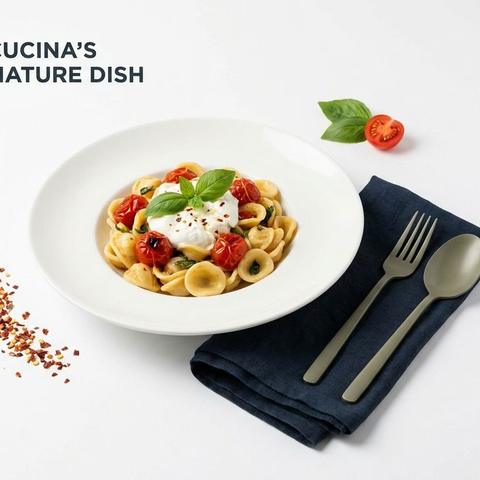 Sep 11
Italian Small Plates NYC: How to Order a Table Full of Antipasti
Which Manhattan Italian kitchens run a real antipasti program built for sharing, what's actually on those menus, and how many small plates a table of four needs.
Rank score16Tony Marchetti · 4 min readOpen guide →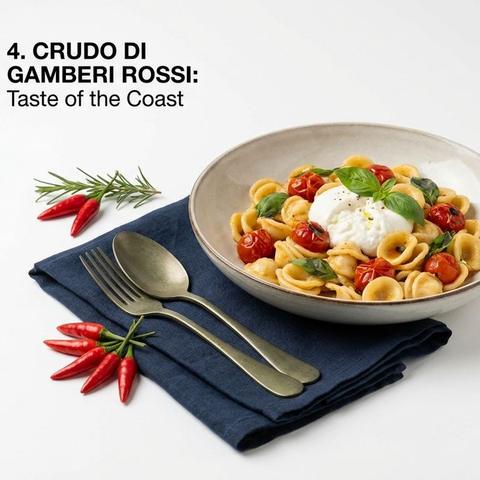 Sep 9
Sep 9Best Neighborhoods for Italian Food in NYC, Ranked
Five Manhattan neighborhoods compared for Italian dining, from Gramercy's private dining rooms to Nolita's red-sauce classics, with the criteria behind each pick.
Rank score15Tony Marchetti · 5 min readOpen guide → Sep 7
Sep 7Modern Italian Restaurant NYC vs. Old-School Red Sauce: What Actually Changes on the Plate
Old-school red sauce runs on gravy and parm; a modern Italian restaurant NYC kitchen runs on regional pasta and lighter sauces. Here's what's actually different, dish by dish.
Rank score14Tony Marchetti · 6 min readOpen guide →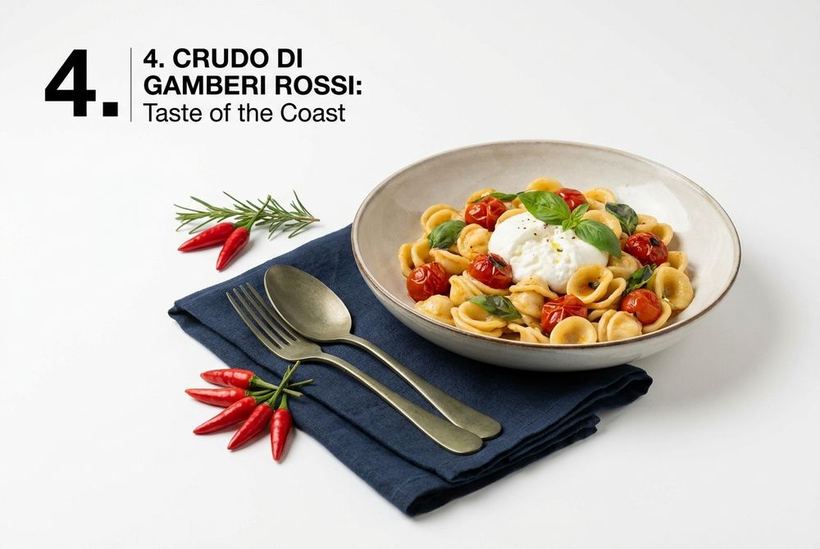 Sep 5
Sep 5How Aperitivo Differs From Happy Hour in New York
Happy hour discounts a slow bar shift; aperitivo is an Italian ritual built to sharpen appetite before dinner. How three Manhattan rooms tell them apart.
Rank score13Tony Marchetti · 5 min readOpen guide →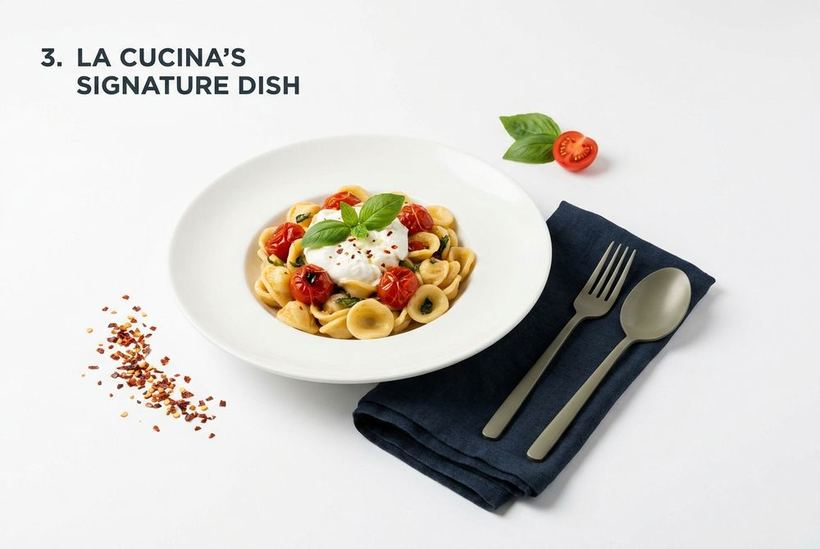 Sep 3
Sep 3Cacio e Pepe NYC, Four Kitchens Worth Trusting
Four Manhattan restaurants currently list cacio e pepe on their own menus, verified site by site, from a $27 West Village classic to a Gramercy bucatini version.
Rank score12Tony Marchetti · 5 min readOpen guide →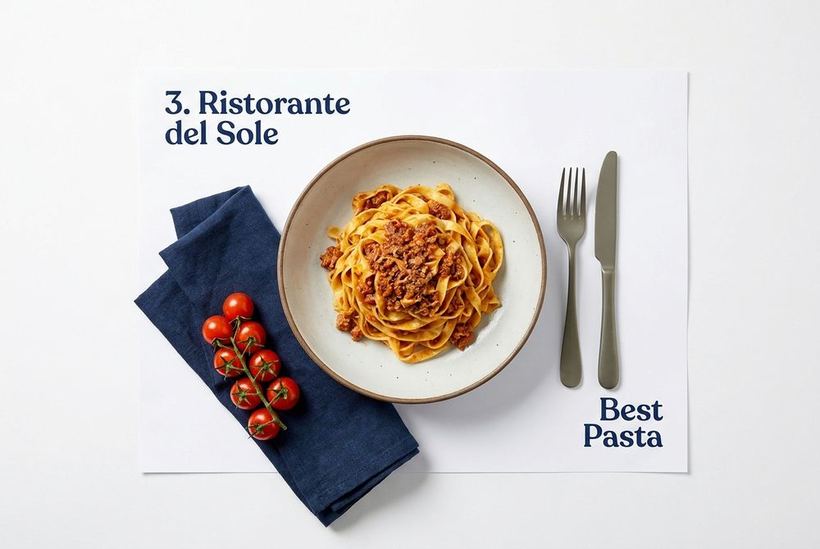 Aug 20
The Antipasto Course at Italian-American Restaurants in NYC
Antipasti are a shared course, not a starter — cold plates first, hot next. Four Manhattan Italian-American rooms currently running the section properly, from John's of 12th Street to Carbone.
Rank score11Tony Marchetti · 7 min readOpen guide →Aug 10What to Order After Dinner at an Italian Restaurant
Espresso, then something bitter. What amaro, grappa, limoncello and sambuca actually are, and how to pick the right one based on the meal you just finished.
Rank score10The Red Sauce Index · 6 min readOpen guide →Aug 8Where to Get an Old-School Italian Sunday Dinner in NYC
Four New York rooms still built for a proper Sunday dinner, from Carbone's red-sauce theater to Il Mulino's forty-year dining room. Verified August 2026.
Rank score09Tony Marchetti · 5 min readOpen guide →Aug 6Old-school Italian-American restaurants in NYC: how to recognize the real thing
How to tell a real old-school Italian-American restaurant from an imitation, plus four New York survivors still doing red sauce right, from John's of 12th Street to Il Cortile.
Rank score08Tony Marchetti · 5 min readOpen guide → Aug 5
Aug 5Baked Pasta and Lasagna in NYC: Where to Find It
Baked pasta is a different technique, not a lazier one. What the oven actually does, plus six Manhattan kitchens listing lasagna or baked pasta.
Rank score07Tony Marchetti · 8 min readOpen guide → Aug 5
Aug 5Spaghetti and Meatballs in NYC: How to Judge One
What separates a good meatball from filler, and six Manhattan kitchens currently printing spaghetti and meatballs on a menu you can check first.
Rank score06Tony Marchetti · 8 min readOpen guide →Aug 4Trattoria vs Osteria vs Ristorante in New York
Three words, three original meanings, and how much each should steer where you eat in New York. Read the menu, not the awning.
Rank score05Tony Marchetti · 5 min readOpen guide →Aug 3Best Italian Restaurants NYC: The Chicken Parm Test
The best italian restaurants NYC has for chicken parm, what makes a good cutlet, and which kitchens actually publish a price. Verified August 2026.
Rank score04Tony Marchetti · 7 min readOpen guide →Jul 31Vodka Sauce in NYC: Five Versions Worth Ordering
Vodka sauce is barely fifty years old and its origin is still argued over. What the vodka does in the pan, plus five Manhattan menus running a version.
Rank score03Tony Marchetti · 6 min readOpen guide →Jul 29Homemade Pasta in NYC: What Fresh Really Means
Fresh and dried pasta suit different sauces, not different quality tiers. What house-made means on a menu, and five Manhattan rooms that roll their own.
Rank score02Tony Marchetti · 6 min readOpen guide →Jul 25How to Avoid Tourist-Trap Italian Restaurants in NYC
The tells are structural, not culinary. Six signals you can read from the sidewalk before you sit down, and what a long menu is really telling you.
Rank score01Tony Marchetti · 6 min readOpen guide →Stop scrolling.
Start scoring.
The city-guide desk that ranks NYC Italian dining the way you actually choose it — by category, price tier and booking difficulty. Criteria published, receipts kept.
#1GuideQuick verdicts
The questions the group chat keeps askingWhat is a restaurant index?
A restaurant index differs from a listicle in that entries carry a comparative score and a re-visit history, so they move up, down, or off the board over time instead of being frozen at the moment the article was published.
What is the Red Sauce Index?
A maintained index of NYC Italian restaurants scored on food, value, and consistency across repeat visits. Entries move up, down, or off the index — the history is part of the point.
What do the scores mean?
Scores are comparative, not absolute: an 8.5 means we'd choose it over almost anything in its price band. We publish the band (per-person, with one drink) alongside every score.
How do you handle new openings?
New restaurants enter as 'unrated — first visit logged' and only get a score after a second visit at least three weeks later. Opening-week cooking is a bad predictor.
Can a restaurant pay to be listed?
No, and they can't pay to be removed either. Several have asked about both.
What are the price bands, and what does each one buy?
Four bands, per person with one drink: under $40, $40 to $75, $75 to $125, and $125 and up. Scores are only compared inside a band — an 8.5 in the first band and an 8.5 in the fourth are both worth your money, for very different evenings.
How often is the index re-scored?
Every entry is re-visited at least twice a year, and sooner when a chef leaves, a menu is rewritten, or reader reports pile up. A score we have not re-earned at the table gets marked stale rather than quietly kept.